 By
By 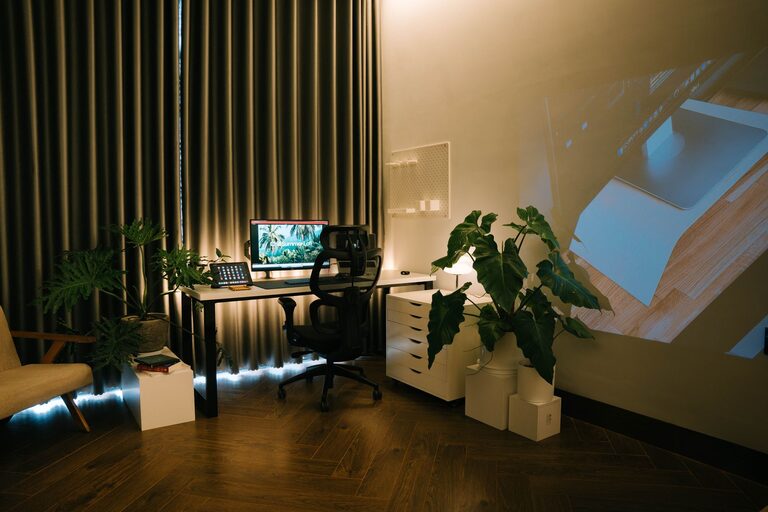
Creating a relaxing home workspace is essential for maintaining focus, reducing stress, and improving overall productivity—especially when working remotely. A peaceful and well-organized environment can help you stay motivated and enjoy your workday. Whether you have a dedicated room or a small corner, you can transform your workspace into a calming retreat with a few thoughtful changes. In this post, we’ll guide you through practical steps to create a relaxing home workspace that suits your needs.
Why a Relaxing Workspace Matters
A cluttered or uncomfortable workspace can lead to distractions, fatigue, and decreased motivation. On the other hand, a calm and inviting environment promotes concentration and a positive mindset. When your surroundings feel peaceful, you’re more likely to stay engaged and complete tasks efficiently.
Choosing the Right Location
Find a Quiet Spot
Start by selecting a spot in your home that’s quiet and has minimal foot traffic. If possible, choose a room with a door that you can close to block out noise and interruptions.
Maximize Natural Light
Natural light can boost your mood and energy levels. Set up your desk near a window to enjoy daylight, but avoid glare on your screen by positioning your monitor perpendicular to the window.
Select Comfortable and Functional Furniture
Invest in an Ergonomic Chair
A comfortable chair that supports your posture is key for long work sessions. Look for adjustable features like seat height, lumbar support, and armrests.
Choose a Suitable Desk
Pick a desk that fits your space and work style. It should be large enough for your computer, essential tools, and a little extra room for writing or organizing.
Keep Your Workspace Organized
Declutter Regularly
Clear away unnecessary items to create a tidy surface. Use drawers, bins, or shelves to store supplies out of sight.
Use Cable Management
Tidy cables improve the look of your workspace and prevent tangling. Consider cable clips, sleeves, or boxes to keep wires neat.
Add Soothing Elements
Incorporate Plants
Adding a few indoor plants can improve air quality and add a touch of nature, which may help reduce stress.
Use Soft Lighting
Avoid harsh overhead lights. Consider desk lamps with adjustable brightness or warm-colored bulbs to create a cozy atmosphere.
Personalize with Calming Decor
Add a few personal touches that make you feel relaxed, such as art prints, inspirational quotes, or a small diffuser with your favorite scent.
Minimize Distractions
Set Boundaries
Let household members know your work hours to reduce interruptions.
Use Noise Control
If your environment is noisy, try noise-canceling headphones or soft background music to maintain focus.
Maintain Good Habits
Take Regular Breaks
Step away from your desk every hour to stretch and clear your mind.
Keep Hydrated and Nourished
Keep a water bottle nearby and have healthy snacks ready to sustain energy levels.
Final Thoughts
Designing a relaxing home workspace is all about creating an environment that supports your well-being and productivity. By choosing the right location, investing in comfortable furniture, organizing your space, and adding soothing touches, you’ll enjoy a more pleasant and effective workday. Remember, your workspace should reflect your needs and help you feel calm and focused throughout the day.